What is the value of nature pedagogy in Primary Education?
'Those who contemplate the beauty of the earth find reserves of strength that will endure as long as life lasts'
- Rachel Carson
Evidence has suggested children know and experience the natural world differently from adults (Bilton, 2010). To children, nature is fascinating and captivating, a different world they can make their own. They know the world as being "fresh and new and beautiful, full of wonder and excitement (Carson, 1956). Having this particular mindset allows children to adjust, learn and play through nature pedagogy.

The majority of memories I personally have from my childhood is being outside in nature. How I and my closest friends used to go over to the local field in my street every day after primary school and play for hours on end, until the street lights came on, that's when we knew we had to head back home for tea with our parents. Climbing trees, hide and seek and even 'I'm a Celebrity, Get Me Out of Here!' were some of the things we got up to. Bilton (2002) states outdoors allowing children the 'opportunity to be in the role, to be playing imaginatively, and enables them to be involved in fairly large groups', which relates to how myself and my friends were when playing and be connected with nature when we were younger. Playing out in nature is what created the most memorable times with my closest friends, which we still look back on and reminisce to this day. From past experiences, I feel children having an interconnectivity with nature, whether it is through learning or play, is important for their overall holistic development.
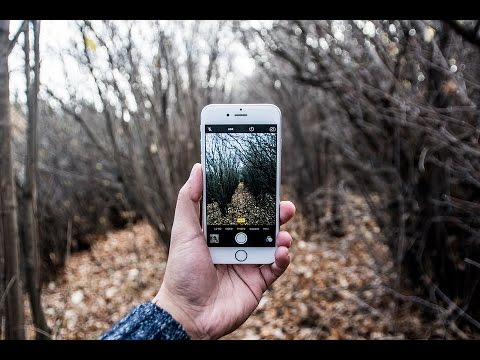
In comparison to when I was a child, there is growing evidence which suggests children are increasingly becoming disconnected from nature (Louv, 2006). This can be associated with urbanisation and loss of green space, parental fears and control, and modern-day technology. Louv (2006) uses the term "de-naturing of childhood", which can be attributed to various conditions, which I previously mentioned. Children could not have access to nature, due to living in an urbanised area such as a city compared to living in a more suburban area. Another reason why children are becoming disconnected from nature could be because of technology. Technology has become a part of modern day society's everyday life, with more children asking their parents for iPads and mobile devices instead of toys. With technology also being implemented into how teachers teach their pupils, computer-assisted learning is the medium of the future (Rowtree, 1990). However, this can push learning in nature aside and allow children to become not connected or interested. Despite these reasons as to why children can become disconnected from nature, nature pedagogy can allow children to be able to reconnect with nature through forest school sessions, which can allow them to re-connect with the outside world.

Chris Packham (British naturalist and writer) states: “The children out in the woods, out in the fields enjoying nature on their own-they are extinct.” (MacFarlane, 2015, p.324), so I feel the value of nature pedagogy in Primary Education is important and should be implemented more into teaching practice and life at home when it can, to ensure children keep a connection and enjoy being out in nature, the way I did when I was younger.
To end today's blog post, during my research I came across a TEDx Talk titled 'What Nature Teaches Children' with Nilda Cosco. She is a professor who has a background on the psychology of the learning processes and the impact of the built environment on behaviour, and during this video, she shares her experience observing children’s adventures in nature and highlights the power of the outdoors to support child development. I felt this was fitting and relevant to the value of nature pedagogy in Primary Education.
If you wanted to watch the video, it is available to watch down below.
References:
Bilton, H. (2002). Outdoor Play in the Early Years. London: David Fulton Publishers.
Bilton, H. (2010b). Outdoor Learning in the Early Years. 3rd edn. New York: Routledge.
Dewey, J. (1938). Experience and Education. New York: Macmillan
Louv, R. (2006). The Last Child in the Woods. Chapel Hill, NC: Algonquin Books.
Macfarlane, R. (2015). Landmarks. London: Penguin UK.
Rowntree, D. (1990) Teaching through self-instruction: how to develop open learning materials. London: Kogan Page
Wells, N., & Lekies, K. (2006). Nature and the life course. Children, Youth and Environments, 16(1), 1-24.
What nature teaches children, Cosco, N. (2016), TEDxRaleigh - available on YouTube: https://www.youtube.com/watch?v=Dhas9OEc1Lk
Word count: 774


Comments
Post a Comment